Back to Blog
Fixed Assets: Is Your Balance Sheet Showing an Accurate Picture?
 Kim Erick
 Certified CFO
 October 15, 2024
Definitions
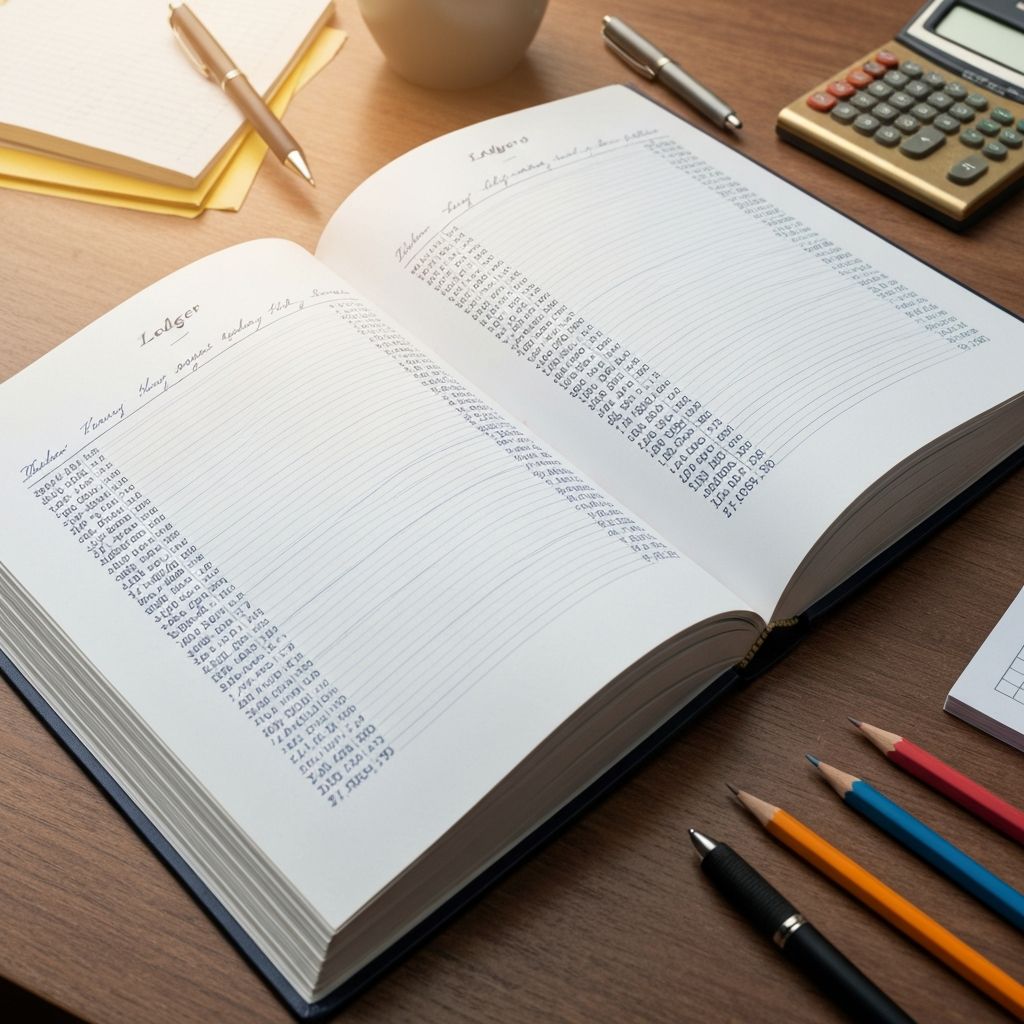
Fixed Assets are the things that you own which are the touchy, feely things, for example buildings, vehicles, furniture, computers, fixtures. The costs of these are spread out over the useful life of the asset typically 3-30 years - this is depreciation.
Balance Sheet is one of the top 3 financial statements. It shows how much equity or capital the owner has in the business. It also shows the accounting equation: Assets = Liabilities + Equity.
Recommended Partners

Disclosure: We may earn a commission if you sign up through these links. This helps support our content.
Accounting Principle #4
The Cost Principle states that financial transactions are shown, forever, as the original and historical cost. We do NOT adjust for inflation or the increase or decrease in the value of an item.
Fixed Asset or Expense?
You should have a written capitalization policy to adhere to in your business. A commonly accepted practice is to have the purchase classified as a fixed asset if it is over $2500.
When adding a fixed asset: - Add to balance sheet when acquired - Delete from balance sheet when disposing - Determine how long to depreciate (3-30 years based on useful life)
Intangible Assets
Intangible assets are things like purchasing a franchise. An intangible asset gets amortized over 5-15 years which is similar to depreciation.
Capitalization Policy
If you feel like you need help in writing your capitalization policy, send me a note and we can discuss my assistance in the process.
Recommended Partners
Disclosure: We may earn a commission if you sign up through these links. This helps support our content.
Share this article:


Tags:
Comments
 Comments
No comments yet. Be the first to share your thoughts!